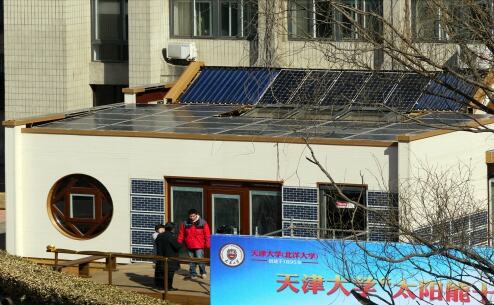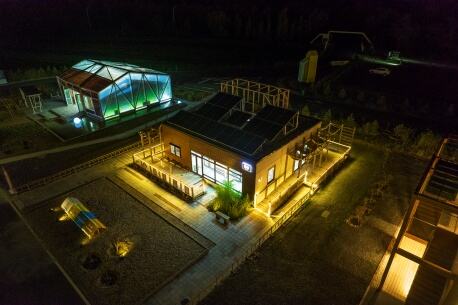

Driven by the mission to promote sustainable construction, Dalian Quacent was established in 2007 and has been pioneering the development of energy-efficient and eco-friendly building soluions.

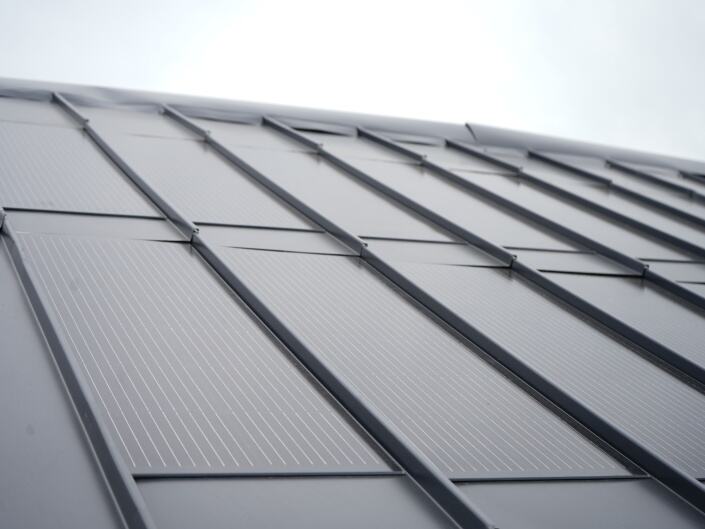
In 2021, Quacent launched our BIPV division with the vision: "Architecture-led photovoltaics for simpler building power." Our Top Energy series integrates solar into roofing tiles—enabling every tile to generate electricity.


17 years experience of building materials

The BIPV can be used for 25+ years

Cut CO₂ by 5.3 tons yearly—equivalent to 2,000+ trees planted

Operating Temperature Range: -45℃ to 85℃

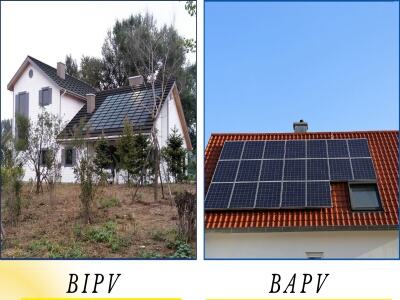
BIPV (Building Integrated Photovoltaics) and BAPV (Building Applied Photovoltaics) are two types of photovoltaic systems that differ primarily in their installation methods. BIPV systems are integrated into the building structure and function as building materials, while BAPV systems are mounted onto the building surface as an add-on layer. In summary, BIPV systems replace conventional building materials, while BAPV systems are added on top of existing building materials.
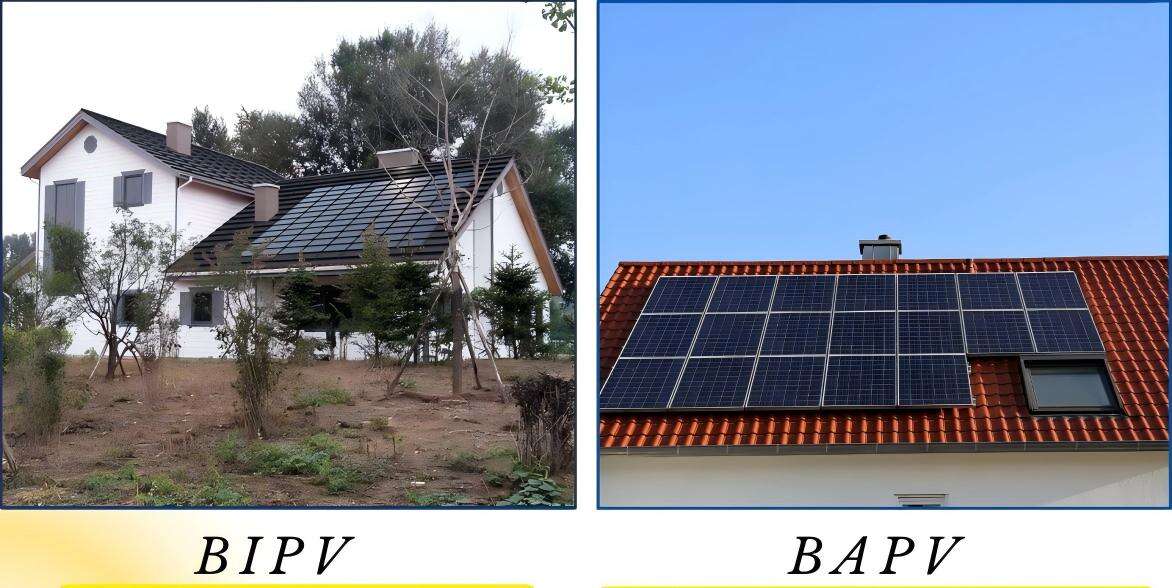
BIPV and BAPV systems each offer clear advantages depending on project goals. Both solutions enhance a building’s energy performance while supporting a transition to clean power.
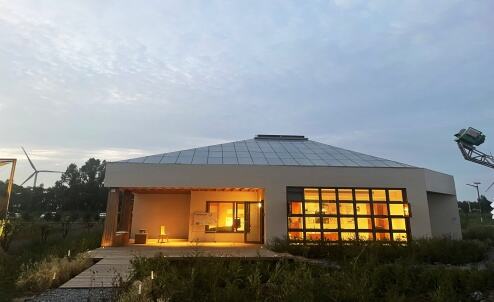
BIPV integrates solar modules into the roof or façade, delivering energy generation together with building functionality and a modern aesthetic.
BAPV is installed on top of existing roofing, offering high adaptability and making it ideal for upgrading existing buildings with minimal structural changes.
BIPV reduces material redundancy and adds long-term value through durability and architectural appeal.
BAPV provides a cost-effective and fast-deployment option, enabling efficient solar adoption across a wide range of roof types.
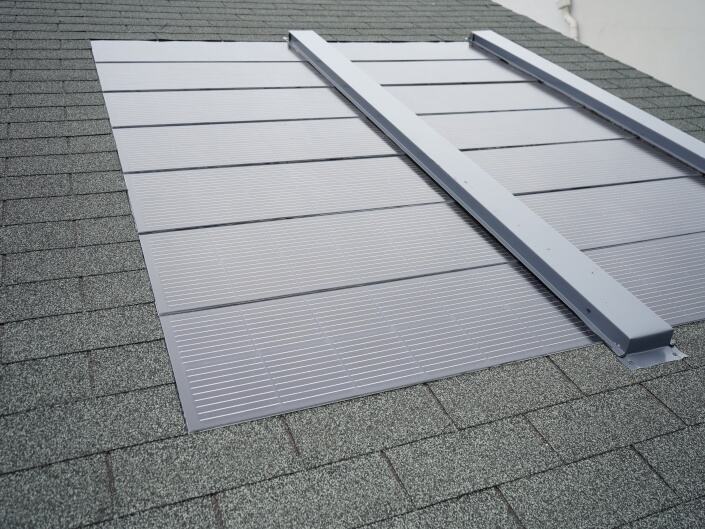
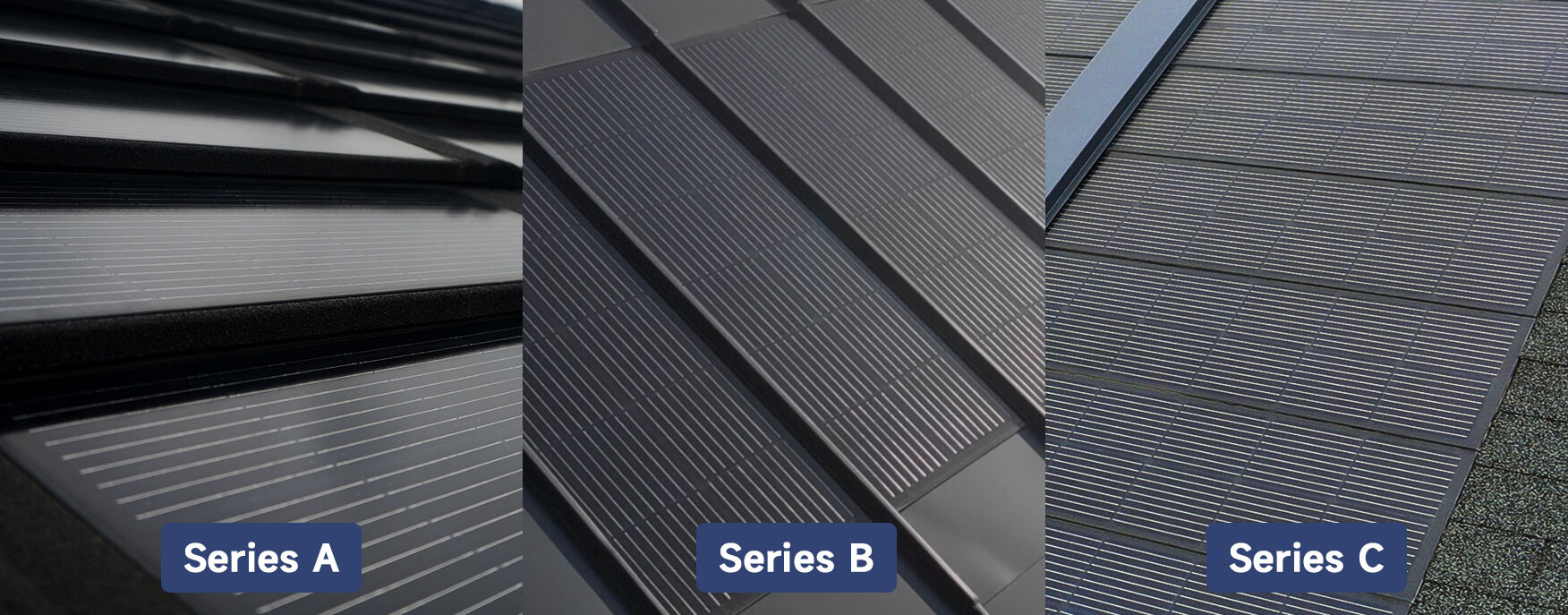
Quacent Top Energy A serial solar tile have a same size as the Quacent stone coated metal tiles. TE-A solar tiles are metal based durable, strong and engineered for all weather protection. The metal tiles can be used for 50+ years and PV for 25+ years. Installing TE-A solar tile is the same as regular metal tiles. Any roofer can do that quickly, safely and easily.
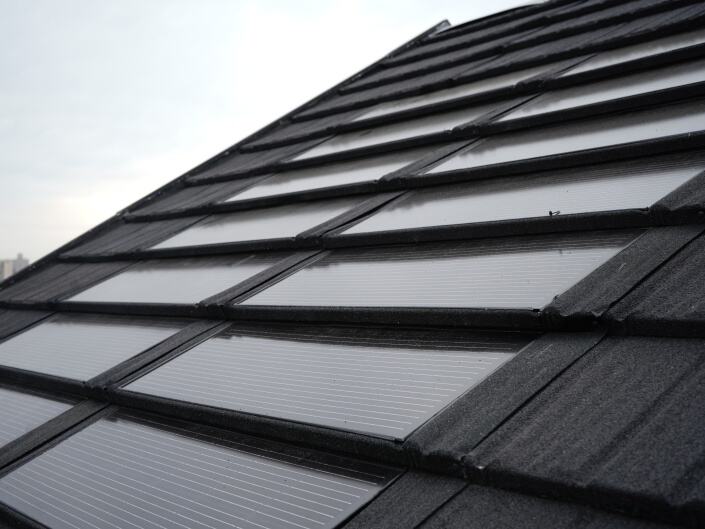
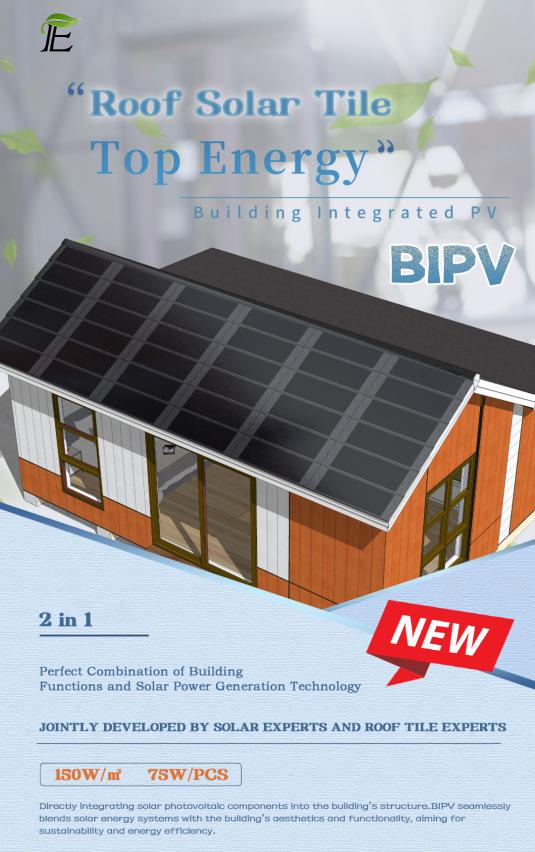
The Top Energy Series A/B/C solar tiles are suitable for both new construction and roof retrofit projects. Minimum roof slope requirements are 10° for Model A, 5° for Model B, and 10° for Model C.
Our stone-coated metal shingles can last more than 50 years. The solar PV modules have a lifespan of 25 years (allowed annual degradation rate: 3%). We provide a 10-year replacement warranty covering defective or broken shingles and solar modules, and a 25-year peak performance warranty for the PV modules (terms and conditions apply).
The solar tiles are designed with excellent waterproofing capabilities similar to conventional tiles, ensuring protection against rainwater infiltration. Additionally, they offer strong wind resistance due to their design and materials, providing comprehensive roof protection.
Calculating the required number of solar tiles involves considering available roof space and desired electricity generation. Using the power output and dimensions of each solar tile, you can calculate the needed quantity. Our team can assist with detailed calculations and planning.
Our stone-coated metal tiles & the 2-in-1 solar tiles are quite easy to install. The installation is similar to regular clay tiles, but lighter and faster. However, for the 2-in-1 solar tiles installation, we recommend hiring an electrician to inspect at the beginning, middle, and end. Generally speaking, one experienced worker should be able to install the stone-coated metal roofing around 20-30 square meters (starting from the batten), and solar tiles 15-25 square meters per day. Comprehensive installation guides, video tutorials, and professional support are provided to ensure a smooth installation experience.
Wind resistance is determined by many factors, such as slope, frame material, etc. The selection of component backplane, frame material, and encapsulation glass can be considered for some special climate areas to improve the impact resistance and earthquake resistance of the components, thereby improving the ability to withstand special situations. Theoretically, its wind resistance range is 10-13.
When installing solar tiles, lightning protection is required, and lightning arresters are added to the photovoltaic system, that is, lightning protection modules are added to electrical equipment such as junction boxes and inverters to protect against indirect lightning strikes.
The voltage of solar panels is very low. It is converted into a stable voltage by the controller to charge the battery, and then converted into 220V AC voltage by the inverter to supply load power. Therefore, it is not dangerous for people to touch the solar panels with their hands.
Although photovoltaic modules will have a certain degree of attenuation every year, it is basically very small. On average, the power generation of a general system after 25 years of use will be more than 70% of the initial installation. From the second to the 25th year, it will show a linear attenuation trend, attenuating by about 1% per year.
It is possible to install photovoltaic tiles in high-rise residential buildings, but it is mainly limited by the property rights of the roof. The roof of a high-rise building is a shared property and belongs to all the owners of the building. Therefore, the application procedures for installing photovoltaic tiles are slightly more complicated than those for villas, but it can still be installed. There is no specific height limit.
Top Energy® Series A 2 in 1 solar tile is recommended to be used for sloped roof (more than 15 degree), or renovated roof. For Solar tile, the best direction is to face the sun. So, south face section is the best, east and west are also ok if you need more space for the solar.. We suggest to install the regular tile for North Face.(above info for the Northern Hemisphere countries.the southern hemisphere countries on the contrary)(all directions of the roof can be installed in the equatorial countries )
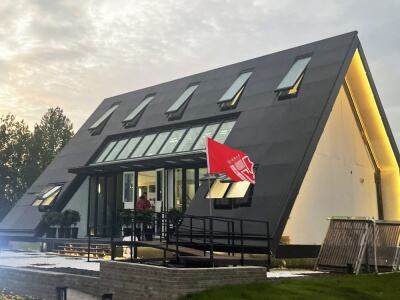
Analysis of the Development Prospects and Trends of the BIPV Industry With the growing global demand for renewable energy, the photovoltaic (PV) industry has become an important sector in the energy field. Within the PV industry, Building Integrated...
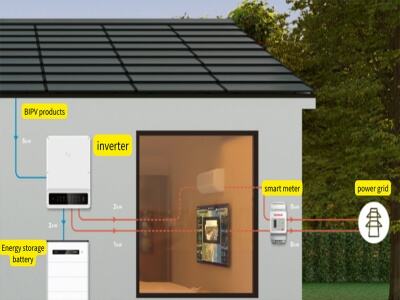
Photovoltaic power generation systems can be divided into standalone photovoltaic power generation systems, grid-connected photovoltaic power generation systems, and distributed photovoltaic power generation systems. 1)Standalone photovoltaic power g...
"BMPV" (Building Mounted Photovoltaic): A photovoltaic power generation system installed on a building, also known as "building photovoltaic." BMPV include...

Dalian Quacent provides patented BIPV solar roof tile solutions that integrate energy generation with architecture, delivering efficient, safe, and cost-effective solar roofing systems.
 EN
EN